

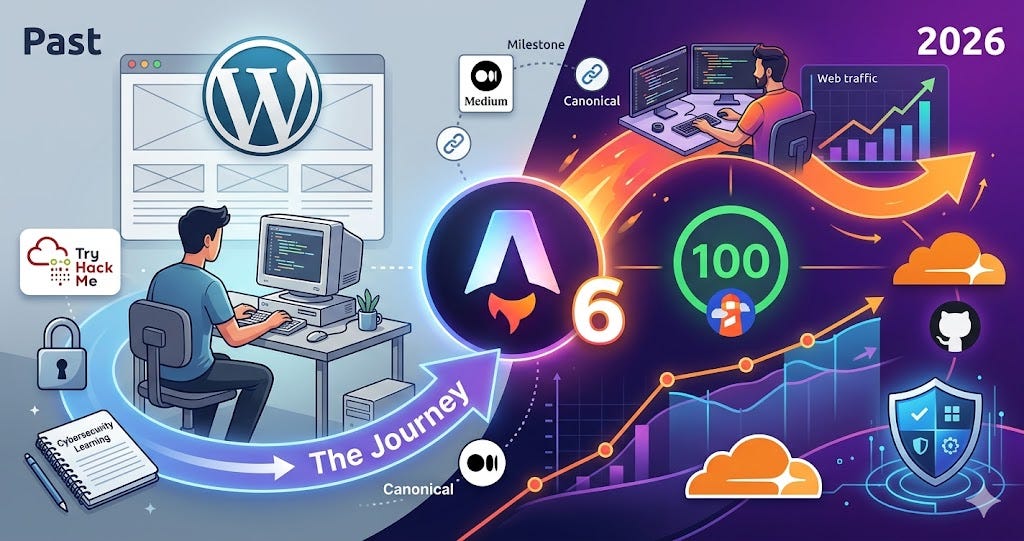
I want to share a bit about my journey. I am writing this in 2026, and I hope my experiences prove useful to anyone starting their own path in technology.
My story begins in 2024 when I first started learning cybersecurity. I spent a lot of time on platforms like TryHackMe, and by 2025, I had found a stable rhythm for my learning and professional growth.
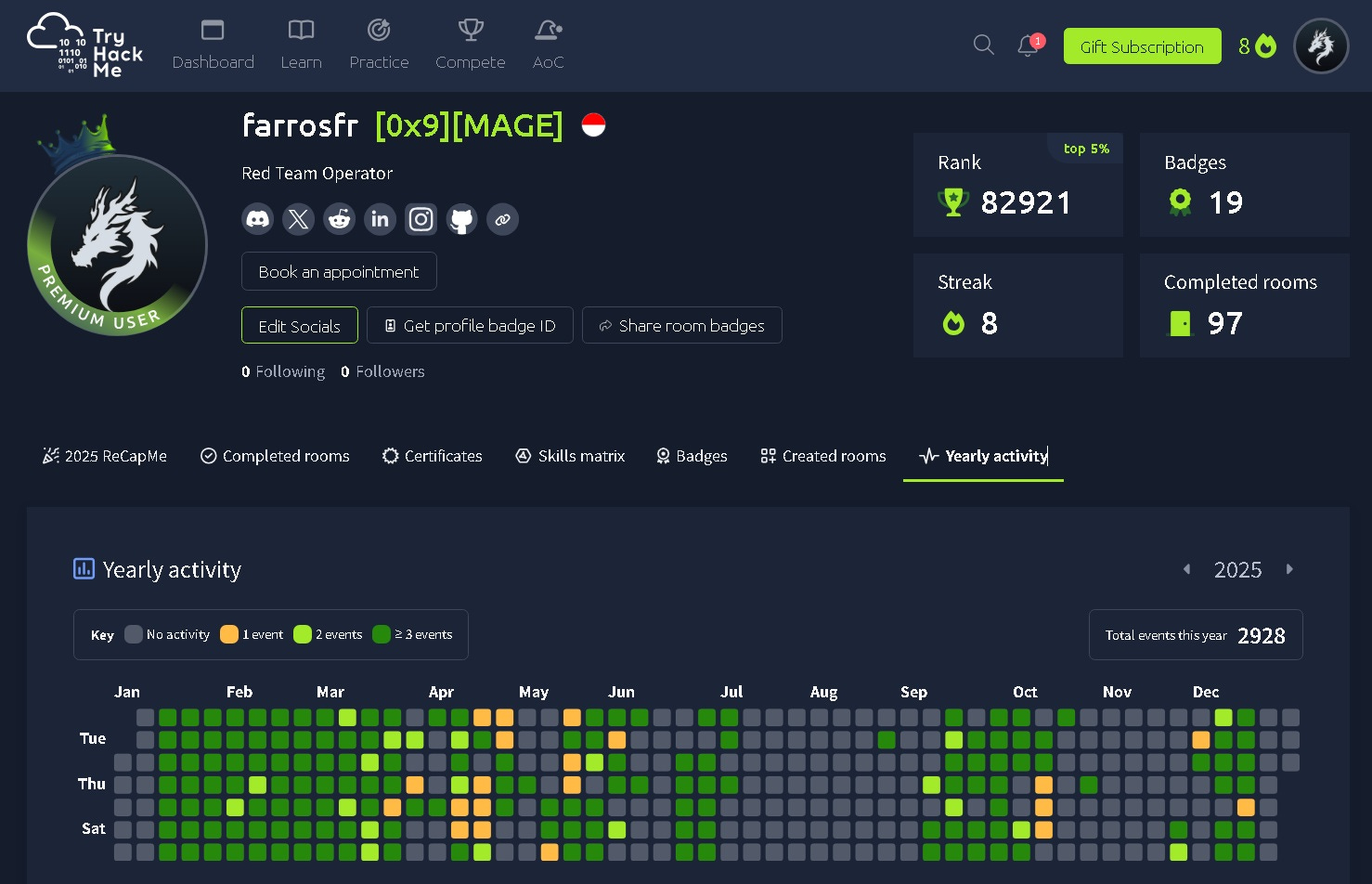
This is my TryHackMe profile, where I spent countless hours in 2024 and 2025 mastering the basics of penetration testing and security fundamentals.
The Writing Milestone: Medium Publications
During this time, I noticed that the cybersecurity community—especially in red teaming and bug hunting—is built on sharing knowledge through "write-ups." Documenting your findings is just as important as the discovery itself.
I started searching for a platform to share my work and chose Medium as my first home. Alhamdulillah, my write-ups were eventually accepted by several well-regarded publishers, including Infosec Write-ups, System Weakness, and the OSINT Team.
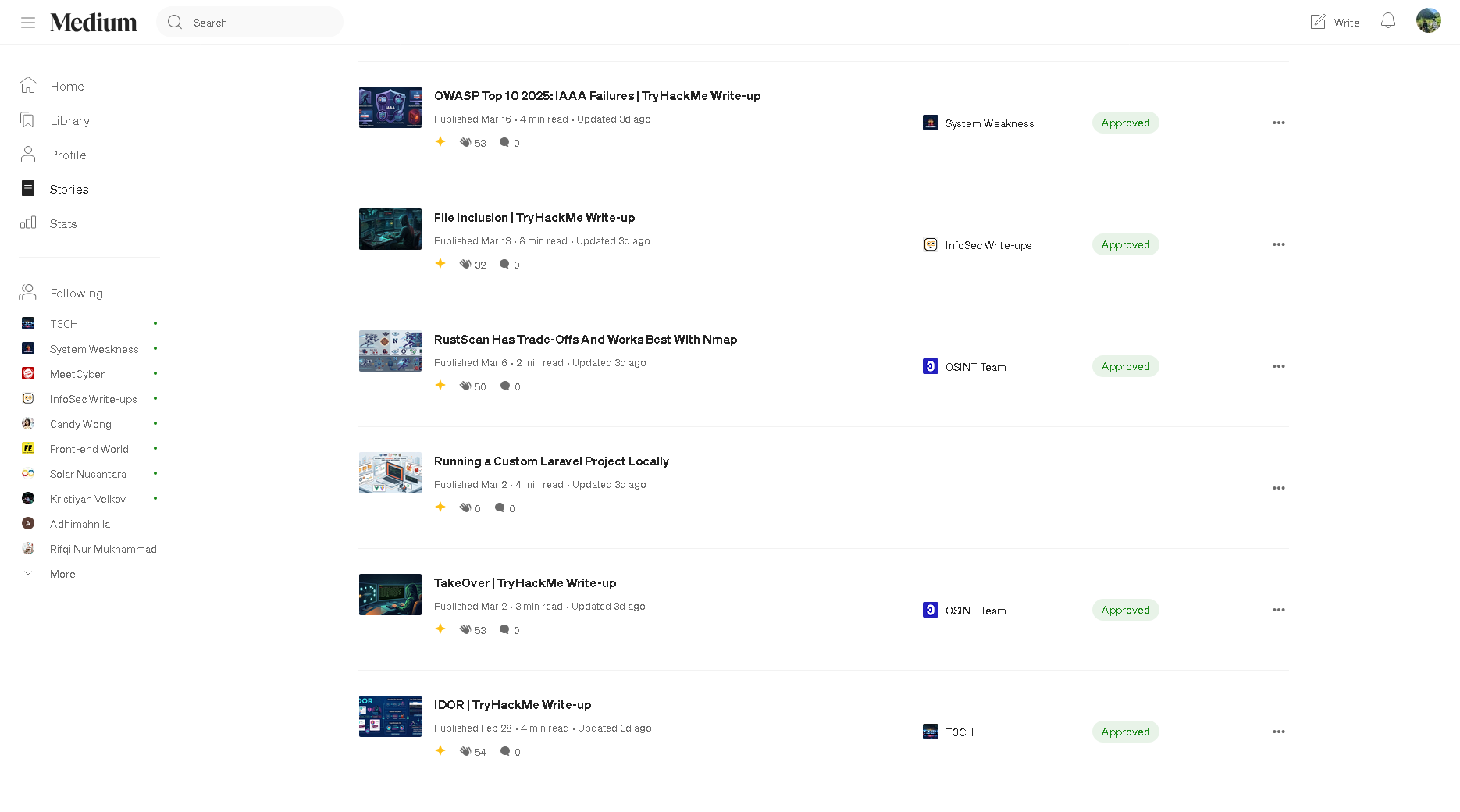
A look at my Medium stories dashboard, showing my approved write-ups in publications like Infosec Write-ups and OSINT Team.
Discovering Astro: Speed and Community
In mid-2025, I discovered an impressive framework that many people seemed to be talking about on Reddit: Astro. When I published my first Astro site and shared it online, the response was incredible. The performance was the main draw—Astro allows you to achieve a perfect 100 Lighthouse speed score consistently.
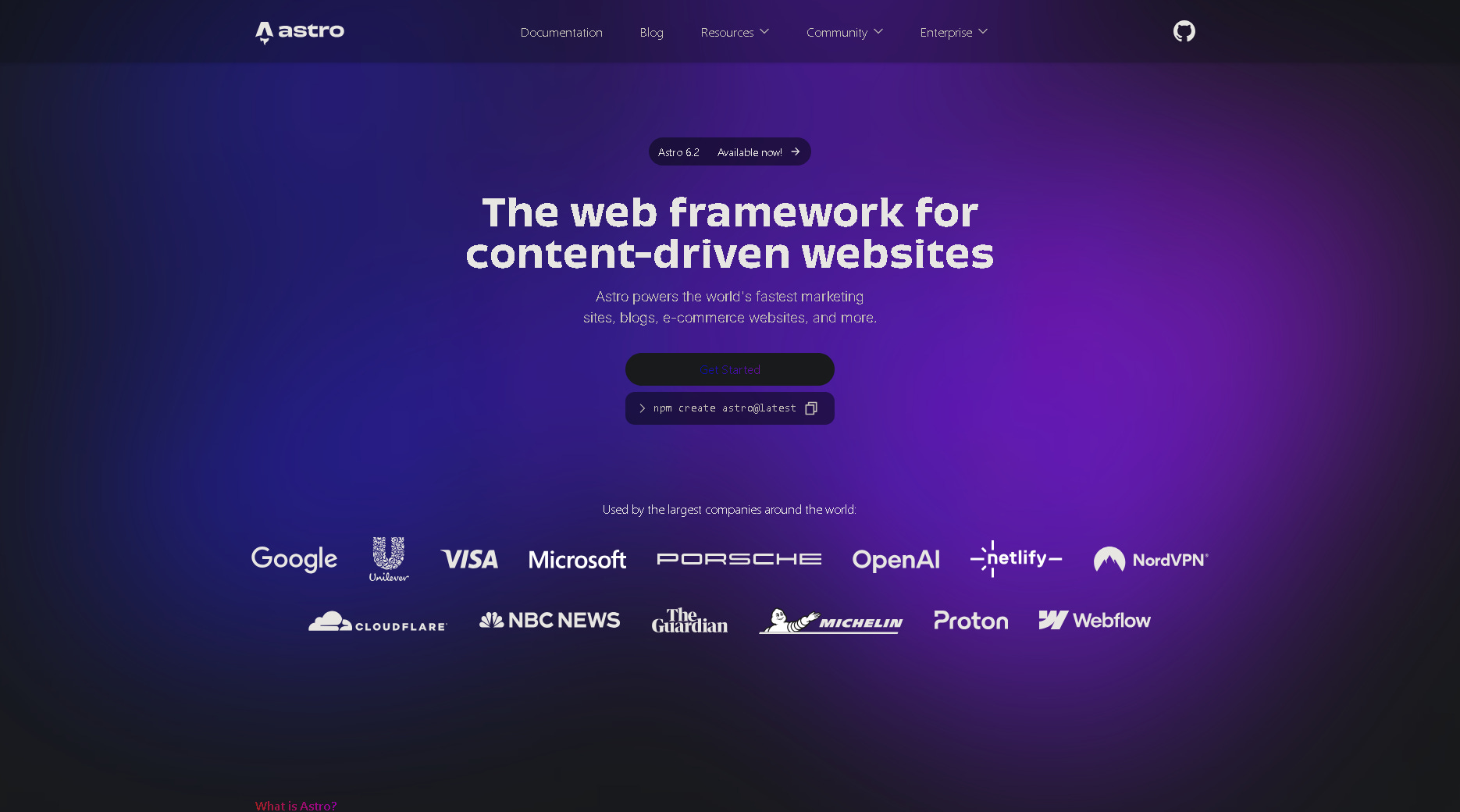
By 2026, Astro has already reached version 6, continuing its legacy of speed and developer experience. Even back in 2025 with Astro 5, the framework was already blazing fast. I eventually adopted the "Astro Pure" theme for more complex projects. It offered a beautiful blend of blog and portfolio functionality, featuring modern animations and a clean design.
My Content Strategy: Canonical Ownership
My strategy was simple: I would publish my articles on my own Astro-powered website first, then cross-post them to Medium using a canonical link pointing back to my site. This allowed non-Medium members to read my content for free while keeping my personal website as the primary source of truth.
To track my growth, I utilized Google Search Console. Here is a look at my data from a one-month period in 2026.
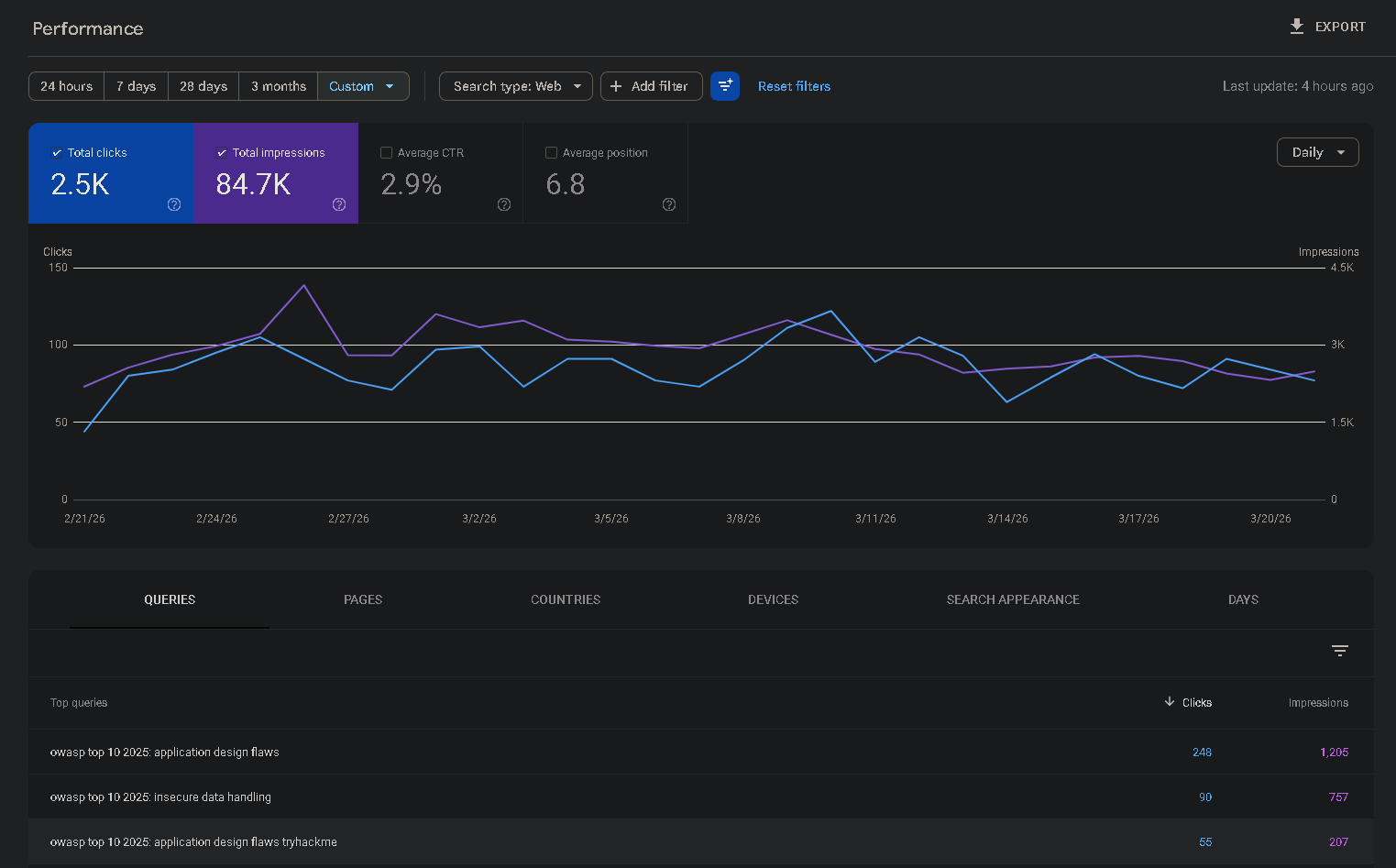
My Google Search Console performance chart from early 2026, showing a growth of 2.5K clicks as my cybersecurity content started to rank.
I did encounter some hurdles with Google Analytics. While I successfully configured it, the real-time data often felt inconsistent. Ultimately, I decided to disable GA to maintain maximum performance, relying instead on Search Console for monitoring.
Lessons from Migration and SEO
Recently, my website experienced a significant drop in indexing (deindexing) after I migrated from GitHub Pages to Cloudflare Pages. This wasn't just a hosting switch; I also migrated my primary domain to farros.co, and the combination of these two major changes created a significant impact on my search visibility.
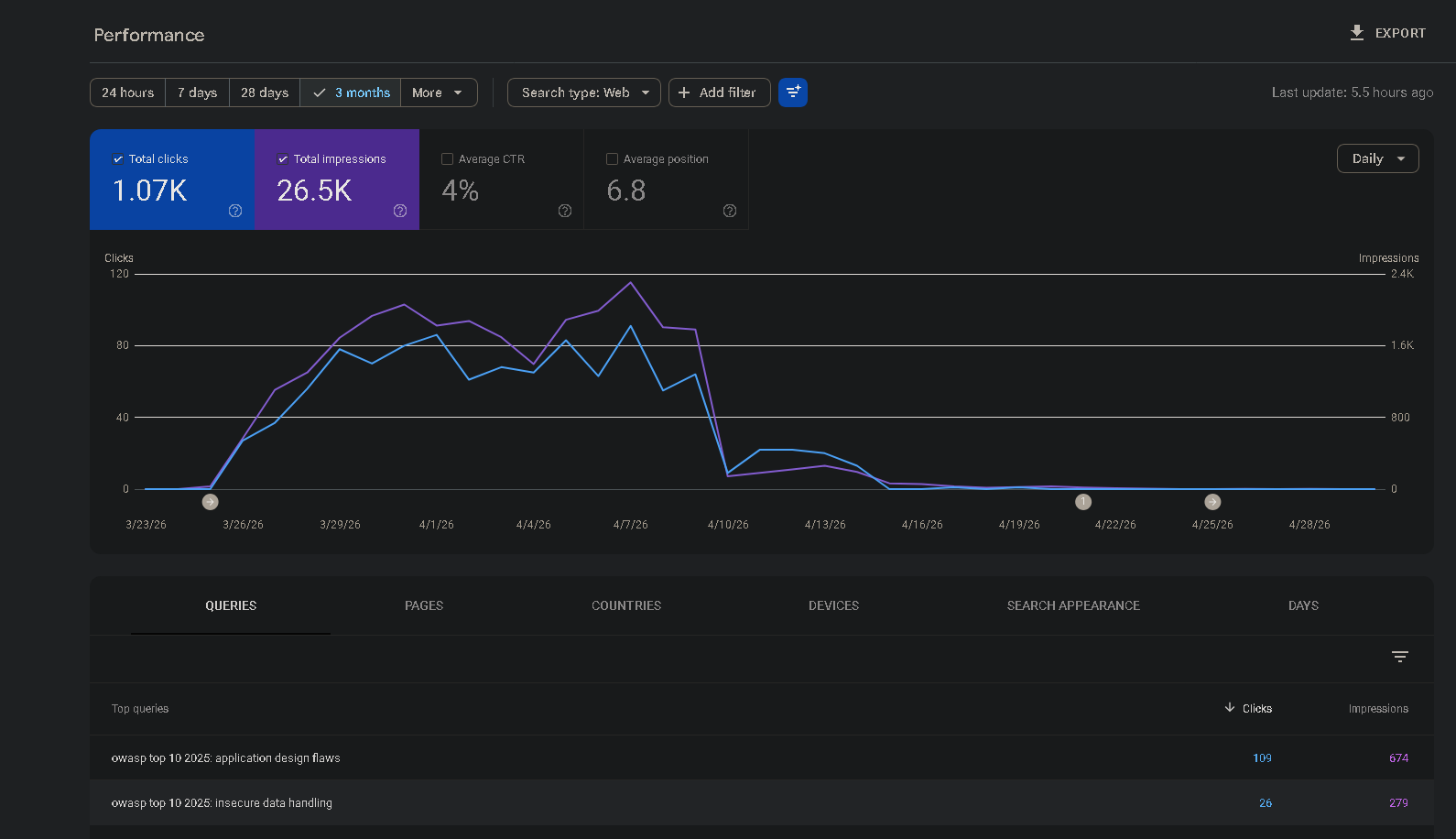
This chart captures the frustrating deindexing event I experienced in April 2026 after migrating to Cloudflare Pages and farros.co—a reminder that SEO is a long-term game.
I opened a discussion on Threads and learned that such dips are common during major migrations, especially when changing both infrastructure and the root domain simultaneously. I lost some of the momentum I had gained from my "OWASP Top 10 2025" write-up, but the experience taught me the importance of careful infrastructure planning and the patience required for search engines to re-map a new identity.
Looking Ahead: The Realities of Free-Tier Hosting
Now, a month into this new setup, I realize that choosing a host isn't just about speed, it's about understanding the hard technical limits. For a cybersecurity blogger who includes dozens of screenshots in a single write-up, the storage and file count limits of free tiers can become a major hurdle.
Cloudflare Pages is fantastic for unlimited bandwidth, but it has a strict 20,000 file limit per project. If your blog grows to include hundreds of articles with many co-located images, you might hit this ceiling sooner than you think. Meanwhile, GitHub Pages has a strict 1 GB site size limit, making it risky for high-resolution image galleries.
Feature Cloudflare Pages Vercel (Hobby) Netlify (Starter) GitHub Pages File Count Limit 20,000 15,000 (Source) 54k (per folder) No hard limit Total Site Size Unlimited (Soft) 100 MB (Soft) 10 GB 1 GB (Hard) Max File Size 25 MiB 4.5 MB (Func) Unlimited (Soft) 100 MB Bandwidth Unlimited 100 GB (Hard) ~15 GB (Credits) 100 GB (Soft) Commercial Use Allowed Prohibited Allowed Prohibited
Considering Managed Platforms: The Substack Move
These technical hurdles have lead me to consider more managed writing platforms. I've noticed many experts in the cybersecurity community are moving their write-ups to Substack. It's an inspiring trend because it shifts the focus from managing infrastructure back to what matters most: the content.
In fact, I've already made this transition for my primary online presence; my main domain, farrosfr.com, is now powered by Substack. What makes Substack particularly appealing in 2026 is its creator-friendly model. For a one-time fee of just $50, you can connect a custom domain, giving you professional branding without recurring monthly costs.
Beyond the price, the features are impressive:
Better CMS: Unlike the "Git CMS" workflow which can be cumbersome, Substack offers a polished, web-based editor that feels like a true professional newsroom.
Mobile Creator Studio: The Substack mobile app has evolved into a full studio, allowing you to write, format, and even publish long-form posts directly from your phone.
Native Analytics: It provides a simple, native way to connect Google Analytics 4, ensuring you get real data without fighting with configuration files.
Discovery Engine: Features like Substack Notes and the Recommendations network help your cybersecurity write-ups find an audience naturally, something that's much harder to achieve on a standalone site.
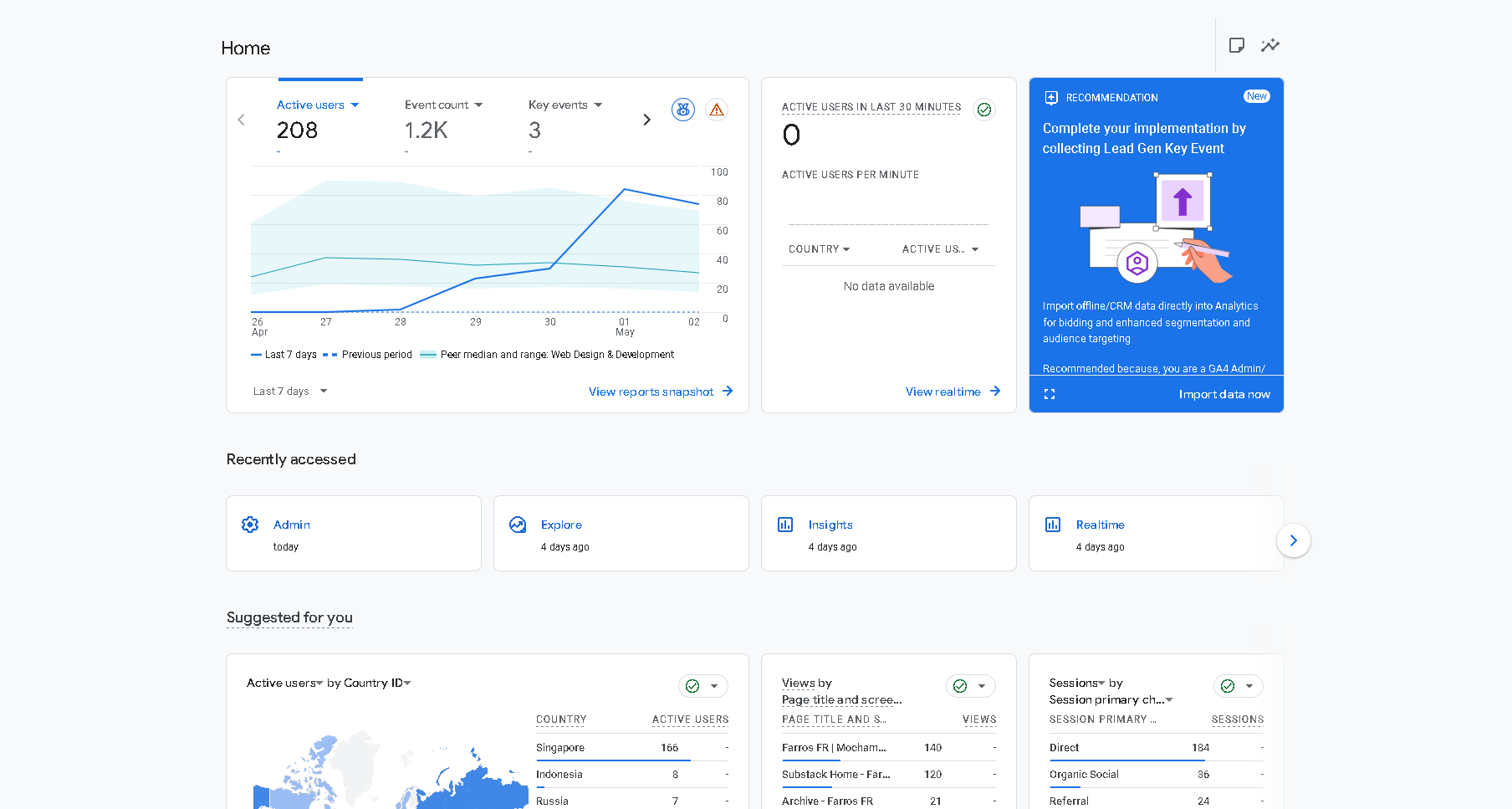
A look at my Google Analytics 4 dashboard, tracking active users and key events to understand how my audience interacts with my content.
Why I Still Choose Astro
Despite the technical constraints of free hosting, I still actively develop on Astro. It remains the gold standard for landing pages that require minimal maintenance and low storage overhead, great for web marketing. The ecosystem has matured beautifully, offering a wide array of modern themes (both free and paid) with stunning designs and seamless GSAP animations.
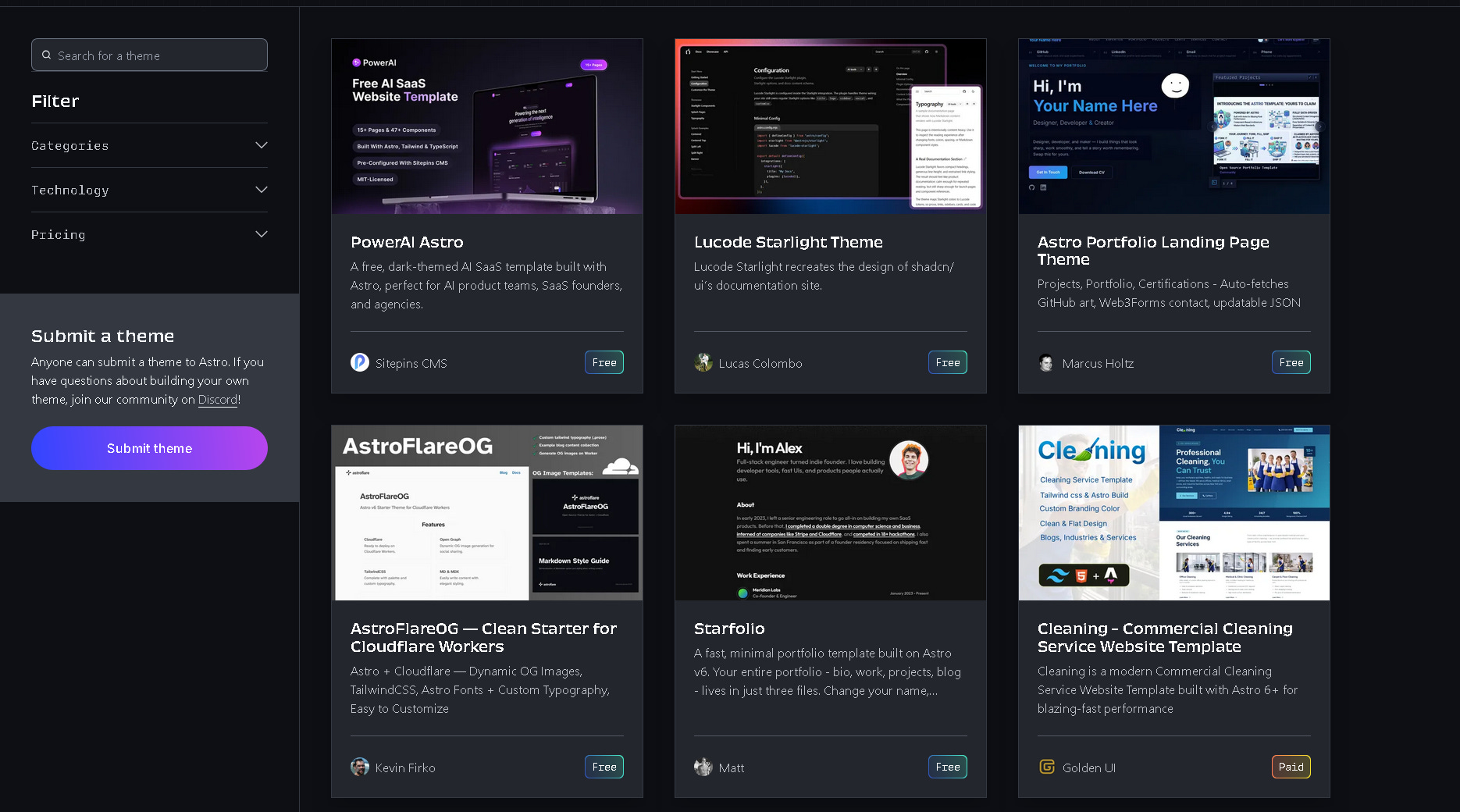
The Astro theme gallery in 2026, showcasing the variety of high-performance templates available for developers.
Working with Astro also helps me maintain a healthy balance in my workflow. In an era of increasing automation, it allows me to stay grounded in core web technologies and not become overly dependent on AI, ensuring my skills as a developer remain sharp and versatile.
Final Thoughts on Ownership
Using Astro with Cloudflare Pages gives me a "viral-proof" infrastructure thanks to the unlimited bandwidth, but I must remain mindful of the 20,000 file limit. Ownership is about more than just having the code; it's about knowing where your bottlenecks are and planning for the long term.
Whether I stay with my custom Astro setup or eventually migrate to a managed ecosystem like Substack, the goal remains the same: sharing actionable knowledge with the community. It has been a journey of constant learning, but the stability and performance I have achieved make it all worth it.